general
Event Planner 101: How to Plan Any Event Like a Pro (2026 Guide)
Published 22 June 2026
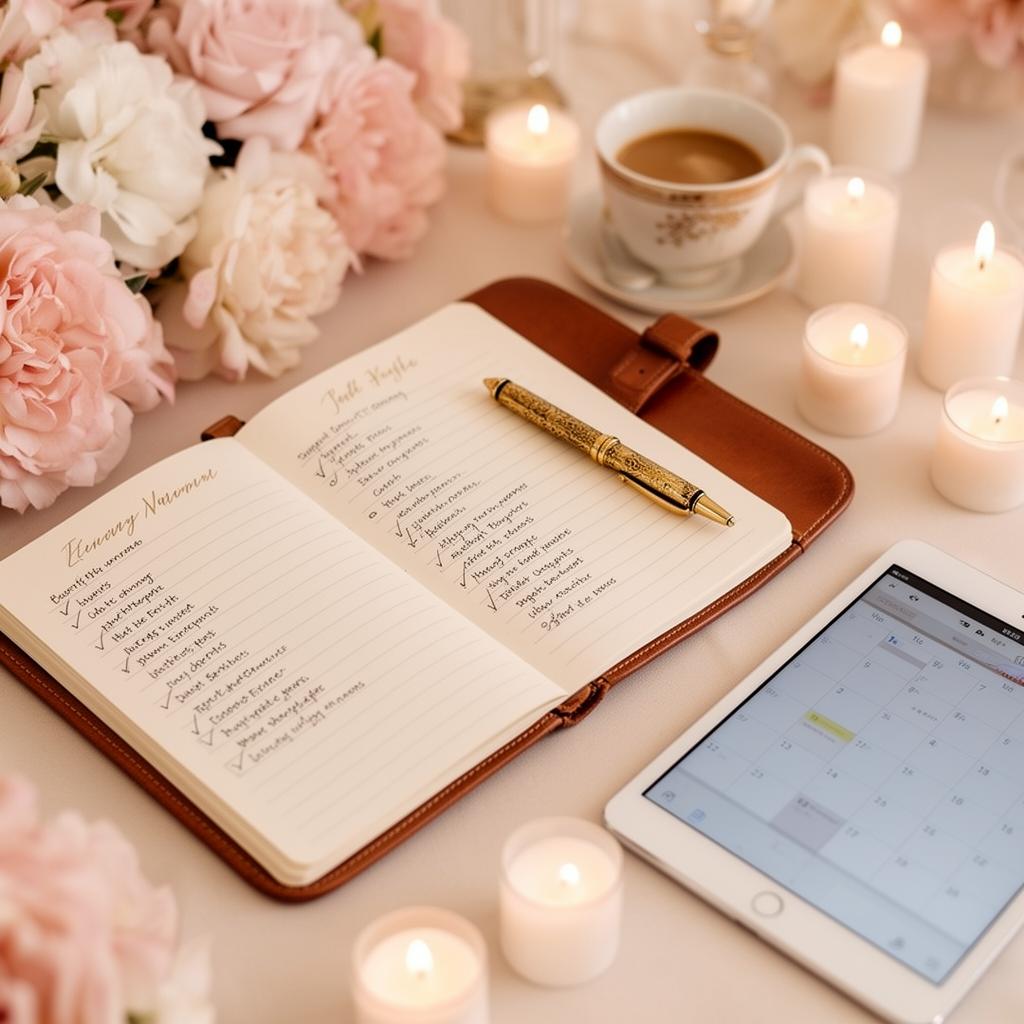
An event planner isn't a magician — they're a project manager with great taste. The difference between an event that feels effortless and one that feels chaotic almost always comes down to a few decisions made early. Get those right and you don't need a six-figure budget or a team of vendors. You just need a clear framework.
This guide breaks down how professional planners actually think, the 5 phases every event runs through (whether it's six people or six hundred), and the modern toolkit that lets you run the whole thing from your phone.
What an event planner actually does
Strip away the Pinterest aesthetic and the job is four things, in this order:
- Decides the goal. What does success look like — money raised, memory made, brand launched, vows exchanged?
- Designs the experience. What guests see, hear, eat and feel from arrival to farewell.
- Manages the logistics. Venue, vendors, invitations, budget, timeline, RSVPs.
- Removes friction. Anticipates the 5 things that usually go wrong and quietly handles them before the host notices.
Amateur hosts plan the decor first. Professional planners plan the goal first and decor last.
The 5 phases every event runs through
1. Define (week 12+)
Write one sentence: "By the end of this event, I want guests to feel ___ and do ___." Every decision flows from there. A 40th birthday where guests should feel nostalgic and watch a tribute video is a completely different event from a 40th where guests should feel hyped and dance.
2. Design (week 10–8)
Pick a theme, venue type, and rough budget. Resist the urge to pick a colour palette before you pick the goal. Tools that help here: Pinterest boards for mood, a single shared Google Doc for decisions, and our samples gallery for inspiration on the personalised moments (songs, videos, cards) that turn an event into a memory.
3. Mobilise (week 8–3)
Send save-the-dates, lock vendors, build the timeline. The single highest-leverage move in this phase is sending a great digital invitation early. Why? Because RSVPs drive every downstream decision — catering counts, seating chart, transport, swag bags. Digital invitations with built-in RSVP tracking cut RSVP chase time by ~80% vs paper.
4. Execute (week 2 – event day)
Print the run-sheet, brief one trusted person to be your "second brain" on the day, do a final walkthrough. Pros call this the "calm before the calm" — if Define and Design were done well, execution is mostly checking boxes.
5. Close (day +1 to day +7)
This is the phase amateurs skip. Send thank-you notes within 48 hours, share the photo gallery, and — for milestone events — gift the guest of honour something that captures the day. A personalised song built from their story, or an animated greeting card with messages from everyone, both ship in minutes.
The modern event planner's toolkit
- Invitations & RSVPs: digital, mobile-first, with one tap to RSVP. Paper invites lose 30%+ of replies.
- Budget tracker: a single spreadsheet with three columns — Estimated, Actual, Variance. Update weekly.
- Run sheet: a minute-by-minute timeline shared with vendors 48 hours out.
- Personalised moments: 1–2 surprise touches per event (a song, a video, a custom card) that lift it from "nice" to "unforgettable".
- One shared link: photos, videos, key info — drop it in a thank-you message after the event.
The mistakes that cost amateur planners the most
- Choosing the venue before the guest list. Always size your guest list first, then your venue.
- Underestimating the timeline buffer. Whatever you think it'll take, add 30%.
- Ignoring the "moments". People forget the food. They remember the surprise.
- DIY-ing everything to save money. Save money on decor. Don't save money on the things guests touch (invitations, food, sound, the gift to the guest of honour).
- No post-event follow-up. A thank-you sent within 48 hours doubles the perceived hospitality.
When to hire a planner vs DIY
Hire a professional planner when: the event is bigger than 60 guests, runs longer than 4 hours, includes more than 3 vendors, or carries serious emotional weight (weddings, funerals, milestone anniversaries). Self-plan when: under 50 guests, single venue, <3 vendors, you have at least 4 weeks. For the in-between cases, see our deeper comparison on party planner vs DIY hosting.
How Genie Magic Moments fits into your event plan
We don't replace planners — we replace the 3–5 tools planners (and self-hosting hosts) used to stitch together: invitations + RSVP, the gift for the guest of honour, and the thank-you card. One place, one weekend, three less things on the list. Browse real samples or compare what's included on the pricing page.
Whether you're planning your first event or your fiftieth, the rule stays the same: define the goal, design the experience, sweat the moments, send the thank-you. Everything else is logistics.

Frequently Asked Questions
Do I need an event planner to host a great event?
No. For events under ~50 guests with one venue and a clear vision, a host with a good framework and the right tools (digital invitations, a run sheet, a thoughtful gift for the guest of honour) can run the show beautifully. Hire a planner when the scale, stakes or vendor count gets bigger.
How long does it take to plan an event?
A rough rule: 12 weeks for a milestone event (50+ guests, multiple vendors), 4-6 weeks for a casual event (under 30 guests), and as little as 1-2 weeks if you lean on digital invitations and pre-made personalised gifts.
What's the single highest-impact thing I can do as a first-time host?
Send a great digital invitation early. RSVPs drive every other decision — catering, seating, transport. Get those locked and the rest of planning becomes 10x easier.
How do I make an event feel personal without blowing the budget?
Spend less on decor and more on 'moments'. A personalised song for the guest of honour, an animated greeting card from all the guests, or a short tribute video costs under $50 and is what people will remember a year later.
What should I do after the event?
Send thank-you notes within 48 hours, share a photo link, and — for milestone events — gift the guest of honour something that captures the day. The 'close' phase is where amateurs lose all the goodwill professional planners build.